Showing posts with label TMJ Disorder Greenbelt MD. Show all posts

Thursday, 5 December 2019

How Stress Impacts Oral Health - 7 Ways Stress Affects Your Teeth


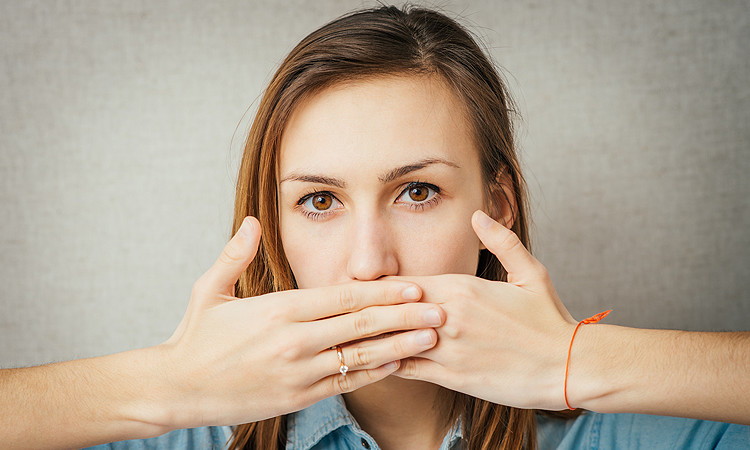
Stress and oral health have a stronger link than was previously imagined. In today’s busy and dynamic world, stress is a common concern for most people. Everyone knows that stress/negatively affects mental health. Research has also shown that stress has a negative impact on our oral health. Long-term Stress can hurt not only physically or emotionally also it has a bad impact on teeth and 
mouth.


Stress may lead to the following oral health concerns:


  • Poor habits
  • Mouth sores
  • Grinding/Clenching your teeth
  • Nail Biting
  • TMJ Disorder
  • Gum Disease
  • Missing a regular dental appointment


Poor habits - Smoking as a means of coping may increase during stressful times that may also negatively impact our immunity and increase the risk of gum disease and tooth decay.


Mouth sores - If you suffer from occasional attacks of painful mouth ulcers, these frequently develop due to Vitamin B deficiency and extreme levels of stress. canker sores or cold sores are oftentimes caused by emotional stress. Please speak to your dentist as he/she can provide medication.


Grinding/Clenching your teeth - If you grind your teeth, you probably do it while you sleep. It's a common oral health problem. It can cause headaches, a sore jaw, and damage to your teeth. Severe teeth grinding can cause loose teeth or even broken or lost teeth.  stress can cause worrying and repetitive thoughts, which can cause grinding during sleep. 


Nail Biting - Though many people bite their nails in stressful situations, this bad habit can have serious consequences such as:  

1. Germs transfer from your nail to your mouth which causes mouth infection.

2. Warts may spread from your hand to your mouth.


TMJ Disorder - TMJ stands for temporomandibular joints. These are the joints that you use to move your lower jaw. They are located just below your ear. Swelling or stiffness in these joints can cause a TMJ disorder. Symptoms can include pain, clicking, and popping. Stress is a major cause of TMJ problems. For instance, stress can cause you to clench your jaw and grind your teeth.


Gum Disease - Gum disease is an infection of your gums. It can cause loose teeth, bleeding gums, and bad breath. Stress can also contribute to gum disease if it causes you to grind your teeth, clench your jaw, or smoke cigarettes. If you have severe pain on your teeth or mouth then you need to get treated sooner.


Missing regular dental appointments - Visiting your dentist regularly (every six months), not only provides preventative care but also facilitates diagnosing and managing dental issues that may become worse over time.


How can you manage stress?

  1. Find relaxing techniques or a self-care plan to help manage difficult times.
  2. Keep up with oral hygiene home care.
  3. Visit your dentist regularly for exams and cleanings.
  4. Get plenty of rest.
  5. Eat a healthy, balanced diet and drink plenty of water.

If you have any questions about how stress can be affecting your oral health, please contact Dr. Ali Elyassi and feel free to ask the question. Call us at (301)-982-4555 and visit Greenbelt Oral and Facial Surgery at Greenbelt MD 20770.


Monday, 3 June 2019

Top 5 Ways to Combat Dental Phobia

Top 5 Ways to Combat Dental Phobia. If you fear to go to the dentist, you are not alone. Between 9% and 20% of Americans avoid going to the dentist because of anxiety or fear. Indeed, it is a universal phenomenon.Few people look forward to a spell in the dentist's chair. Below are the Top 5 Ways to Combat Dental Phobia. But serious anxiety prevents millions of Americans from seeking proper preventative care. The consequences of this problem may go far beyond dental pain or lost teeth. Gum disease is a serious infection that can affect other parts of the body. Studies now link it to illnesses including. heart disease, stroke, and diabetes.


Top 5 Ways to Combat Dental Phobia

Fear #1 Needles phobia


The level of fear varies from person to person, and some people are afraid of dental injections in particular, while others are phobic about any sort of needle. Between 1 and 3% of the US, the population has some kind of phobia about needles(aichmophobia) or, subtly different, injections (arachnophobia). So you are not the only one but you can Overcome it with Our care of  Greenbeltsurgery.


Fear #2 The Drill


Some people may fear pain from a drill. This fear can be triggered by the sound of the drill.
However, patients are numbed before using the drill. When sufficiently numbed, you won’t feel any pain at all. You’ll just be aware of light pressure and vibration.
If the sound troubles you, pop in earphones and listen to some music. This can help to calm and/or distract you. It can be a calming classic or a pumping dance track – whichever you prefer!
                                          Fear #3 – Pain
If you’ve had a bad experience with dental pain before, you may be afraid of a repeat experience. However, many factors come into play with dental pain.
Anesthetics and numbing gels are now available for most treatments. This means it’s not likely to be the painful experience you’ve had in the past.
Also, when you’re more fearful, you tend to tense up. This may make you more sensitive to pain.

 Fear #4 – Embarrassment About Bad Teeth 

Embarrassment is perhaps THE most common concern voiced by people who haven’t been to a dentist in a very long time. It may come as a surprise to some that the days when “the lecture” was part-and-parcel of a visit to the dentist are gone. Dentistry has evolved into an industry which supplies a service to the potential customer – you!


                                       Fear #5 – Sedation Fears

Sedation effects differ from person to person. The most common feelings are drowsiness and relaxation. Once the sedative takes effect, negative emotions, stress, or anxiety may also gradually disappear. You may feel a tingling sensation throughout your body, especially in your arms, legs, hands, and feet.
Fears about being sedated fall into two categories.
Some people fear they will be too awake and aware of the pain. They worry their teeth and gums won’t be numb enough and they’ll be in pain.
Others fear to be numb as they feel they will be out of control. This can lead to fears that they will suffocate, choke or be unable to swallow.
It’s important to realize that for top teeth, only an individual tooth will be numbed. For bottom teeth, sometimes your tongue or cheek may feel swollen when numbed, but they won’t be. You lose sensation in these areas but not function.
So, be reassured – you will not choke or be unable to swallow.
Overcoming Dental Fears and Anxieties
Here are some tips to help overcome your dental fears and anxieties:
  1. Identify your fear. Once you know exactly what you’re fearful about, you can start working towards a solution.
  2. Choose a great dentist who listens and cares. Your fears will only increase if you’ve chosen a dentist who isn’t right for you. Consider a pediatric dentist for your children.
  3. Take someone with you. Some patients find it comforting to take a friend along.
  4. Ask for the perception of pain. You may find emotional relief from knowing what to expect with treatment. Ask your dentist to pre-warn you about the sensations you might experience. For instance, will it be a tingle or feel like a mosquito bite?
  5. Don’t be afraid to ask for sedation if you think it may help.
  6. Learn about mindfulness, meditation and breathing techniques. They are great ways to reduce your anxiety.
  7. Seek professional help. The best course of action is to deal with the root cause of your fear. Unless you do this, you will always fear trips to the dentist. Do you really want to continue having to psych yourself up for every visit?